Projects & Portfolio
Discovery project feature
In-depth project write-up
Me yapping about Thog Bot LOL

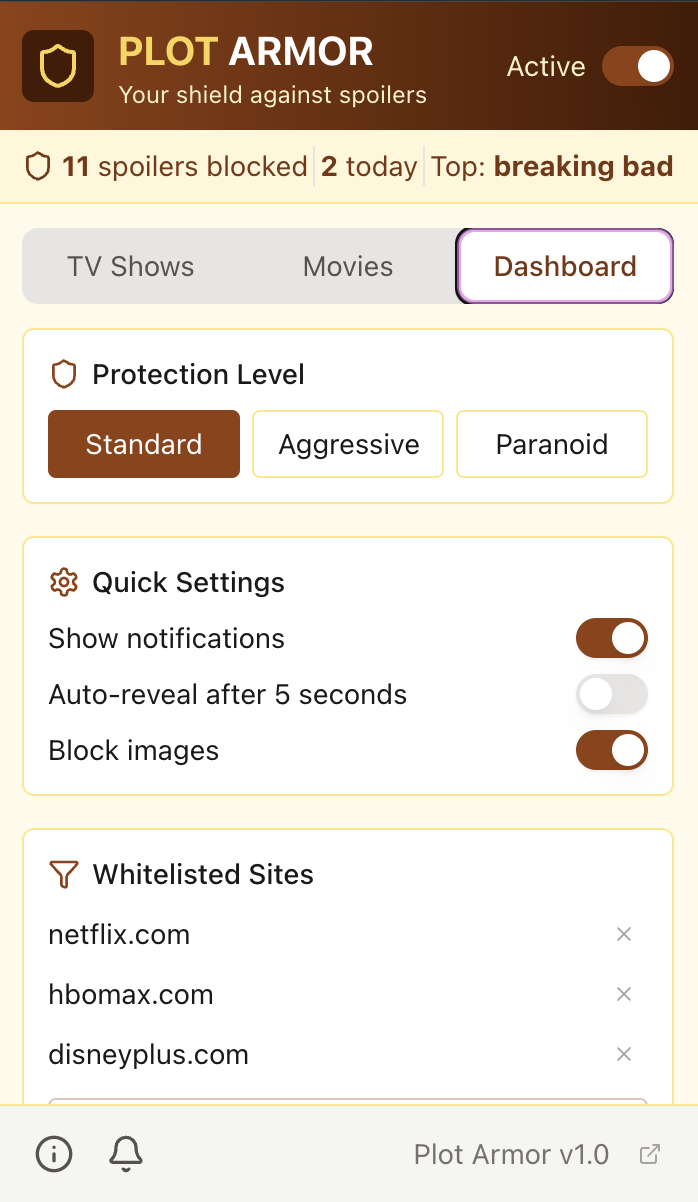
Image credits: Thog Bot avatar graphic — my own asset. Secondary image — my own screenshot.
Thog Bot — building a community-ready Discord assistant
When I first started building Thog Bot, it came from a simple, frustrating reality in the student Discord servers I was part of. We had utility bots scattered everywhere, moderation helpers that didn't quite work together, and a bunch of one-off scripts that were a pain to keep running. I got tired of patching things together, so I decided to make one bot that could actually grow with the community—handling music, study session reminders, some casual games, and eventually more advanced features without me having to tear everything down and start over every few months. That shift pushed me to stop just thinking about code that runs and start thinking about how things fit together: how commands get discovered, who actually has permission to use them, and how failures should look different for a server admin versus someone just trying to vibe with their friends.
Under the hood, Thog Bot ended up being a crash course in respecting boundaries. Discord’s API is powerful, but it'll absolutely punish you if you ignore rate limits or let messy code crash your event handlers mid-request. I learned quickly to structure everything as small, testable pieces—keeping command parsing and validation separate from the stuff that actually changes things. That way, when Discord inevitably tweaks an endpoint or I decide to rework a feature, the chaos stays contained. I also developed a much deeper appreciation for good configuration practices: environment variables for tokens, feature flags for experimental commands, and sensible defaults so that anyone who clones the repo can get the bot up and running without jumping through hoops.
In terms of actual features, Thog Bot tries to walk the line between genuinely useful and just plain fun. On the utility side, study session tracking and quick informational commands take a real load off club officers who are already juggling schedules and announcements. But I also made sure there were lighter moments—mini-games and interactive commands that give members a low-pressure reason to hang around, especially during those mid-semester slumps when engagement tends to drop. Music playback was its own beast entirely: managing voice channel state, handling interruptions gracefully, and making sure error messages actually made sense when something went wrong with YouTube or Spotify.
Looking forward, I'm leaving room for AI-assisted features down the line, but my focus right now is on reliability and maintainability. In real communities, trust disappears fast if a bot starts spamming errors, posting in the wrong channels, or acting unpredictably. That's why I prioritized logging patterns, admin-only diagnostic commands, and clear, helpful user-facing messages early on. Those decisions reflect how I want to build software in general—observable, kind to the people maintaining it, and honest about what it can and can't do.
I measure Thog Bot's impact in a couple of ways. Qualitatively, it genuinely reduces the manual work moderators have to do and gives members self-service answers to repetitive questions, which frees up the humans to focus on actual judgment calls and community building. Structurally, the codebase itself has become a portfolio piece I'm proud of—clean commits, a README that actually explains what's going on, and modules that show how I'd work on a team codebase. It's still evolving, but it already feels like a solid capstone for asynchronous programming, API integration, and thinking about product design inside a platform millions of people already use every day.
As for what's next, I've got a few clear milestones in mind: automated tests for command parsing so I can refactor without breaking things, containerized deployment so hosting is reproducible and less 'works on my machine,' and a tighter privacy review for any feature that touches external APIs or stores user data. Each of those aligns with what professional delivery looks like: tests to prevent regressions, containers to reduce friction, and privacy reviews because even community software has to respect user data. These are the same skills I want to bring to internships and early-career roles, and Thog Bot is my intentional practice space for getting them right.
Results & impact
- Designed modular command handlers so features can ship incrementally without destabilizing core message routing.
- Prioritized predictable latency for frequent commands so the bot feels responsive during busy server spikes.
- Documented setup and environment variables to lower onboarding friction for future contributors—including my future self.
Additional portfolio projects
Plot Armor
Chrome extension with hybrid AI spoiler detection (100+ users), Firebase backend at scale, and a popup UX tuned for daily use.
SpendWise
Android app with Firebase auth, budgets, savings circles, real-time chat, and an AI financial assistant—MVVM and singleton managers for stable data access.
HarmonyAPI
HackGT medical search platform: Groq LLM semantic search, Dockerized Flask + PostgreSQL, TypeScript/React front end—built end-to-end in under 36 hours.